
The Creation of Rachel's Law
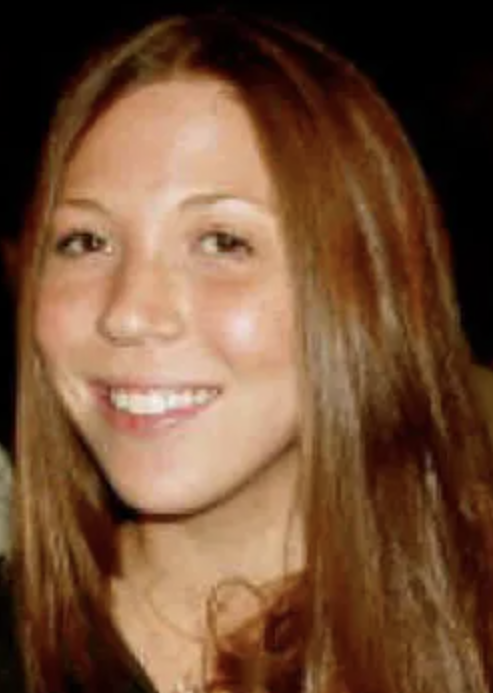
In 2008, police in Florida arrested a 23-year-old woman named Rachel Morningstar Hoffman, a college graduate, after finding six Ecstasy pills, 151.7 grams of marijuana, and other drug paraphernalia in her apartment. A neighbor had reported the smell of marijuana coming from Rachel’s unit, prompting a visit from police. When officers arrived and asked whether she had any illegal substances, Rachel admitted she did and allowed them to search her apartment.
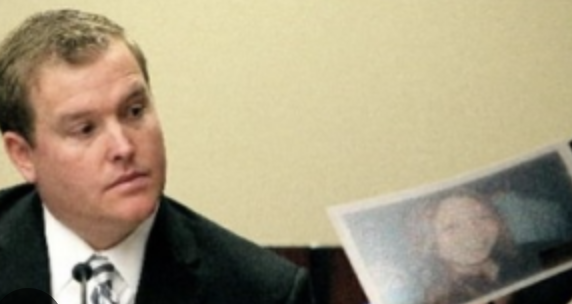
Facing multiple charges and possible prison time, Rachel was given a deal by Tallahassee Police Officer Ryan Pender. In exchange for dropping the charges — and without informing the prosecutor’s office — Pender asked Rachel to work as a confidential police informant. Her first assignment was dangerous: she was asked to buy 1.5 ounces of cocaine, 1,500 Ecstasy pills, and a firearm from two known felons, Deneilo R. Bradshaw 28 years old and Andrea Jabbar Green 25 years old , who had been under surveillance by police.
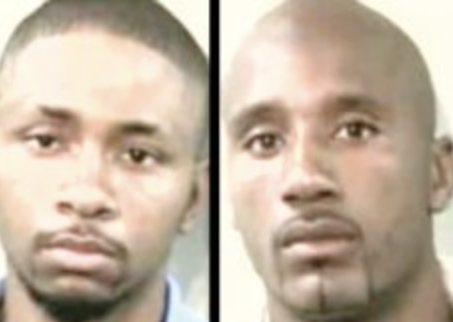
According to The New Yorker, Rachel placed the order, explaining to the dealers that she needed the drugs for friends visiting from Miami and requested “a small and pretty handgun.” When asked why she needed a gun, she reportedly replied,
“I’m a little Jewish girl. I need to be safe.”
Police outfitted Rachel with a surveillance wire and a recording device hidden in her purse, along with $13,000 in cash.
Rachel met with the dealers at Forestmeadows Park, a public area where children were playing and parents were socializing nearby. Before arriving, she texted her boyfriend,
“Wish me luck, I’m on my way.” He responded,
“Good luck babe! Call me and let me know what’s up.” Rachel’s final text read “It’s about to go down.”
As Rachel reached the meeting location, police were listening in via the wire. However, the situation quickly deteriorated. The suspects unexpectedly changed the location of the deal. An officer tracking them radioed,
“We’re on Gardner. It looks like the deal is going to go here. It’s a dead-end street.”
Officer Pender tried to reach Rachel, telling her to “Turn around!” but the call was cut off.
“I had no response from her,”
Pender later said.
“Either she hung up on me or we lost the signal.”
Officers rushed to Gardner Road, but by the time they arrived, Rachel and her vehicle were gone. What they did find was alarming: a spent .25-caliber shell, two live rounds, six cigarette butts, and a single black flip-flop.
Later, officers visited Rachel’s boyfriend’s home. He hadn’t heard from her. As police left, he overheard one of them say,
“She was with us… until shit got crazy.”
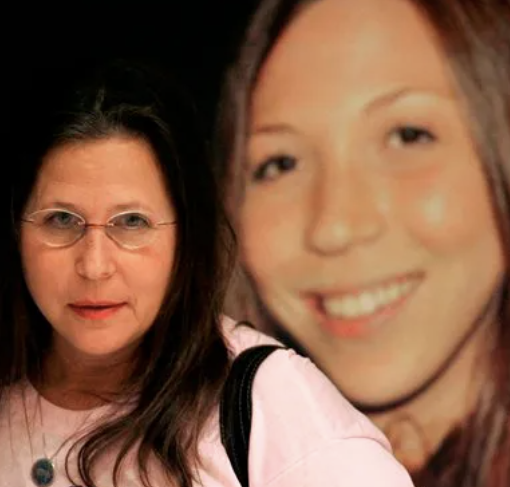
The next day, Rachel’s mother, Margie Weiss, received a chilling phone call from the Tallahassee Police department
“Your daughter’s missing.”
She was asked to drive from Palm Harbor to Tallahassee immediately.
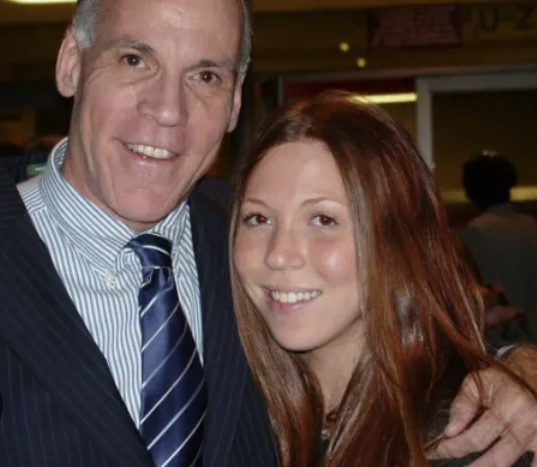
Rachel’s father, Irv Hoffman, also received the call. Oddly, when they arrived, they were directed to the Narcotics unit .
“I remember noticing that they weren’t taking us to missing persons,” Margie said. “Instead, it was like, ‘Come over here to Narcotics.’”
Police and a victim advocate explained that Rachel was missing but assured them they were searching. They instructed the family to wait at Rachel’s apartment. But the family would learn through a news report — not the police — that Rachel had been working as a confidential informant during a botched drug bust.
Two days later, Rachel’s body was found in Perry, Florida, fifty miles southeast of Tallahassee, in a ravine tangled with vines. She had been shot five times in the chest and head — with the very gun she was sent to purchase.
When Margie and her husband Mike Weiss stepped out to get breakfast, Irv received the call confirming that Rachel’s body had been found. Rabbi Jack Romberg comforted Margie when she returned, breaking the news that her daughter had been killed. Green and Bradshaw were arrested at 6:30 a.m. Green’s wife told investigators he had brought a bag of aspirin, pretending it was Ecstasy, and had planned to rob Rachel.
“They found a wire in her purse and shot her,” she admitted.
On television, Officer David McCraine told the public,
“We had established protocols in place to ensure her safety. At some point, she chose not to follow the instructions.”
He blamed Rachel for her death.
News outlets quickly picked up the story, some painting Rachel as a drug dealer. ABC News aired an interview with Police Chief Dennis Jones, who said,
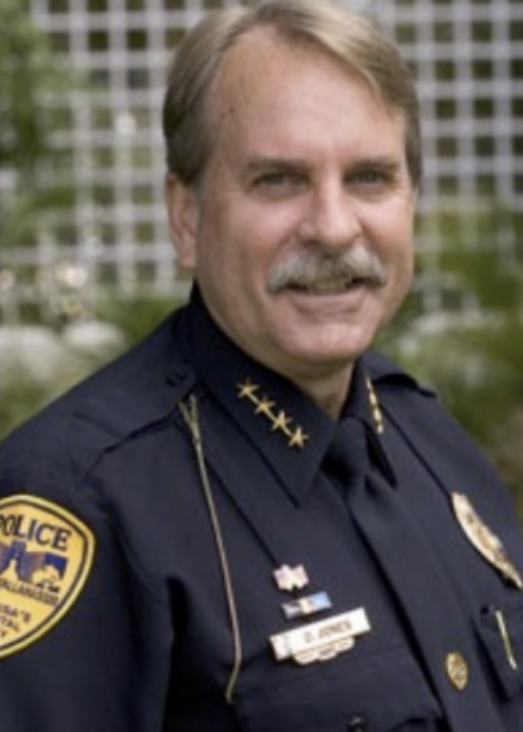
“I’m calling her a criminal. That’s my job.”
When asked about the department’s accountability, he added,
“We’re responsible for the safety of this community.”
Irv, with no prior experience speaking to media, turned to neighbor Michael Schiavo, who had been through a highly publicized ordeal involving his wife, Terri Schiavo. Michael offered Irv guidance. Together, Irv and Margie began fighting back. Irv wrote for hours, questioning why police would ask someone with no training to purchase drugs and a gun. Margie began working on policy reform. With the help of attorney Lance Block, they began drafting a bill.
A grand jury later stated
“Letting a young, immature woman get into a car by herself with $13,000 to meet two convicted felons known to be armed was an unconscionable decision… She cried out for help as she was shot and killed, and nobody was there to hear her.”
An internal affairs investigation found that officers had violated at least 21 different policies in Rachel’s case. When asked for comment, Chief Jones admitted,
“I didn’t think it would be so many policies not being followed.” He also expressed regret for blaming Rachel.
On May 7, 2009, the anniversary of Rachel’s death, Governor Charlie Crist signed Rachel’s Law. The law requires that confidential informants receive proper training and are not coerced into cooperation with the promise of dropped charges. It also allows them to request a lawyer before agreeing to cooperate.
Rachel’s parents were awarded a $2.6 million wrongful death settlement from the City of Tallahassee. Margie founded the Rachel Morningstar Foundation, advocating for confidential informant reform. Irv established a scholarship in Rachel’s name.
Rachel was not the first, second, or even the third person to die while working as a confidential informant. Her case brought attention to a pattern of reckless and often deadly decisions made by law enforcement agencies across the country.
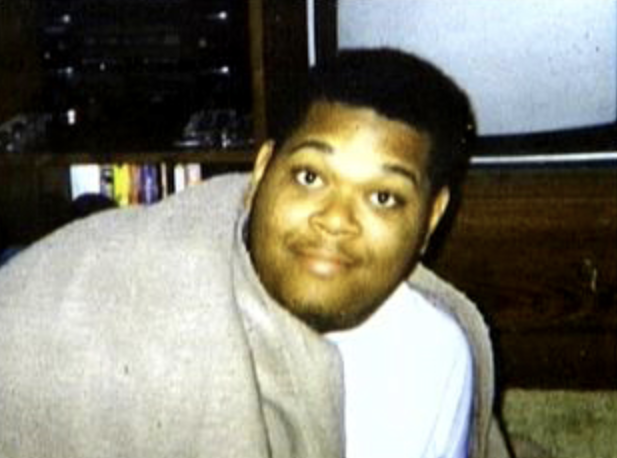
One such case was that of LeBron Gaither, a 16-year-old from Lebanon, Kentucky. While attending school, LeBron punched an assistant principal and was arrested for juvenile assault. While in custody, a Kentucky State Police officer offered him a choice face prison time or work as a confidential informant. LeBron, whose mother struggled with addiction, saw the offer as a chance to get drugs off the streets and help his mom.
He took the deal.
For the next two years, LeBron worked as an informant in two counties. Eventually, police asked him to set up a drug deal with a dealer named Jason Noel and to testify against him in front of a grand jury. On the day of the operation, LeBron wore a wire and met Noel at a local grocery store. Police gave him code phrases to signal if something went wrong — he was supposed to say, “I wish my brother was here” if he was in danger.
What LeBron and police didn’t know, however, was that Noel had already learned LeBron was going to testify against him. According to a state attorney, the plan to use LeBron in the sting was
“reckless, stupid, and idiotic.”
Police lost track of LeBron. Noel abducted him, tortured him, beat him repeatedly with a bat, shot him with both a pistol and a shotgun, and then ran him over with a car. He dragged LeBron’s body through the woods using a chain.
LeBron’s family later filed a lawsuit against the police. In 2009, they won a $168,000 wrongful death settlement. But as The New Yorker reported, in May of that year, a state appeals court ruled that although Gaither’s use as an informant was “tragically flawed,” the police could not be held accountable, stating that the
“execution of the undercover operation was left to the judgment and discretion of the detectives.”
The family now hopes to take their case to the Kentucky Supreme Court.
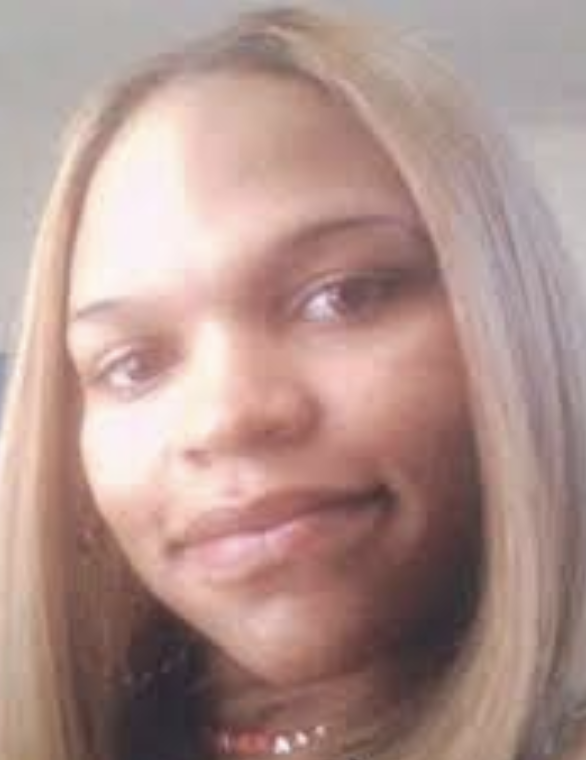
Another tragic case occurred in Detroit in 2011, involving Shelly Hilliard, a transgender 19 year old teenager whose family called her Treasure. After leaving her mother’s home and failing to return, Shelly’s family grew concerned. Her sister, Mechelle, checked Facebook and saw disturbing posts like,
“Rest in peace, Shelly” and “She’s with God now.”
The family’s worry intensified.
On October 23rd, at 4:30 a.m., Shelly’s torso was discovered underneath an old mattress along the I-94 service road. Months later, the rest of her remains — except her hands — were found.
Her family initially believed Shelly had been targeted for being transgender. But they soon learned that Shelly had been working as a police informant. A few months before her death, she was caught smoking a blunt at a Motel 6 with a friend. Police found an ounce of marijuana hidden in a toilet tank. They offered her a choice: serve time or help them in a sting operation.
Terrified of being sent to a male prison, Shelly agreed.
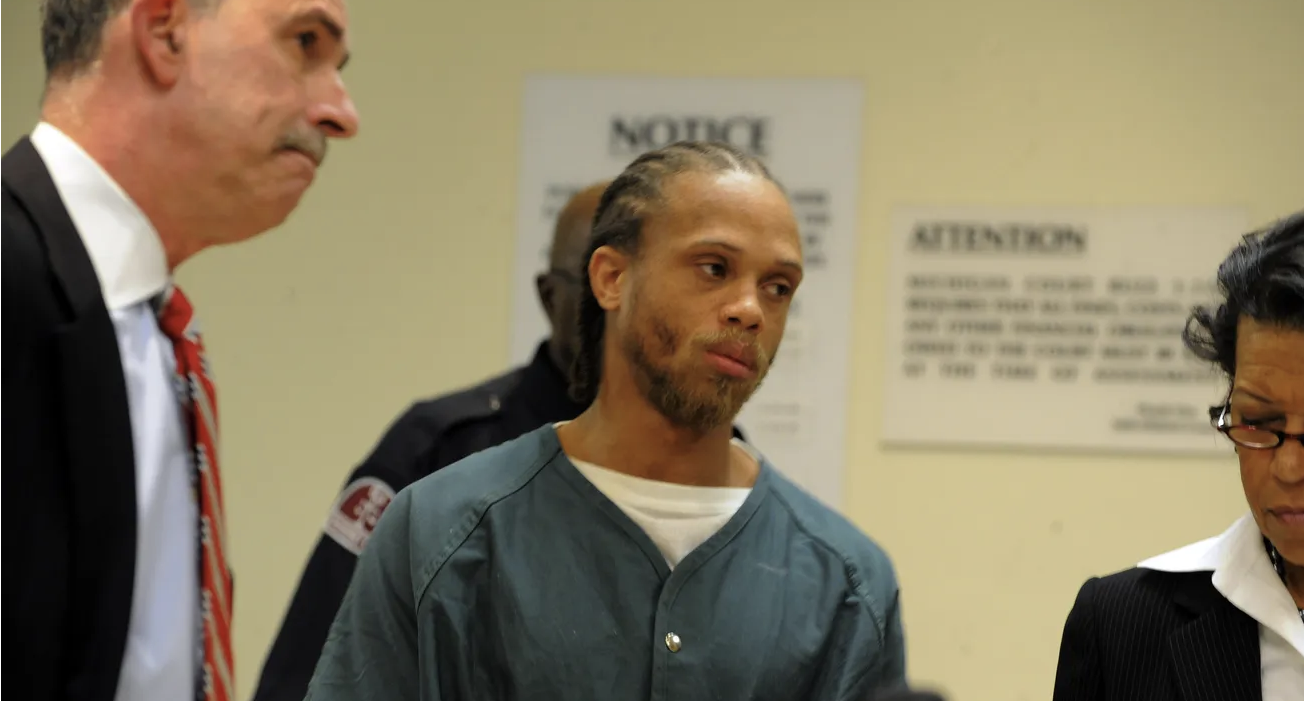
Police instructed her to assist in a sting against a man named Qasim Raqib. She cooperated, and Raqib was arrested. But just hours later, he was released.
After assisting police in the arrest of Raqib, he was unexpectedly released — and Shelly knew her life was in danger. Scared and uncertain, she turned to her mother, asking what she should do. She also reached out to the police, pleading for protection. But no one was there for her.
“She was asking for help and they were nowhere to be found”
her mother, Nelson, later told The New Yorker.
“Now I lost my baby for an ounce of weed. It’s like they just threw her away.”
Days later, Raqib with an accomplice named James Matthews, tracked Shelly down, strangled her, dismembered her, and set her body on fire. Shelly wasn’t just failed by the system — she was abandoned. Her death is a tragic example of how police continue to exploit and discard informants, even after they beg for help.Both men were later convicted and sentenced to 25 years in prison.
When The New Yorker asked Lieutenant Joseph Quisenberry, commander of the local Narcotics Enforcement Team, whether there were protections in place for informants, he admitted
“I don’t have a written guideline that governs every situation… I’ve heard that this was someone living in a more dangerous context.”
Police departments across the country have a troubling history of recruiting young, vulnerable individuals with no training or experience to serve as confidential informants — often under the threat of jail time. These informants are promised protection but are rarely given the tools, resources, or backup to stay safe. In many cases, they are treated as disposable assets — used for dangerous operations and then discarded when things go wrong.
The tragic deaths of Rachel Hoffman, LeBron Gaither, and Shelly Hilliard show the deadly consequences of this system. Instead of being protected, they were exploited. Instead of justice, their families were left with silence and blame.
If you would like to support my work consider leaving me a tip at Buymeacoffee. Much appreciated